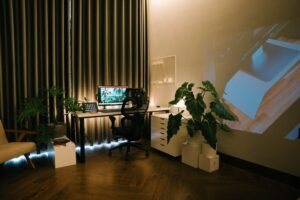

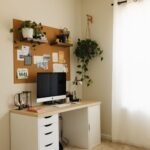







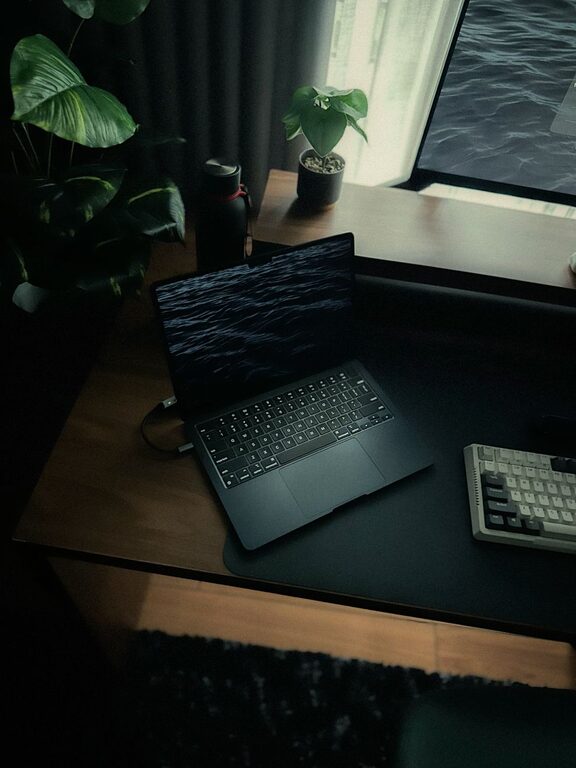
Creating a home office space that is both cozy and productive can greatly enhance your work-from-home experience. Whether you spend hours working remotely or occasionally need a quiet spot to tackle tasks, a thoughtfully designed office can increase your focus, comfort, and motivation. Here are some practical tips to help you transform any corner of your home into a workspace you enjoy.
1. Choose the Right Location
Finding the best spot for your home office starts with considering your needs and available space.
– Natural Light: Select a space with plenty of natural light. Sunlight helps improve mood and reduce eye strain.
– Minimal Distractions: Pick a quiet area away from the busiest parts of your home. This can help maintain concentration.
– Space for Essentials: Make sure there’s enough room for your desk, chair, and any necessary equipment.
If space is limited, a dedicated nook or even a well-organized corner can work well.
2. Invest in Comfortable and Functional Furniture
Your furniture choices affect both your comfort and productivity.
– Ergonomic Chair: Look for a chair that supports your back and promotes good posture to avoid discomfort during long work hours.
– Sturdy Desk: Choose a desk that fits your work style—enough surface area for your computer, documents, and perhaps additional tools like notebooks or a printer.
– Adjustable Furniture: Consider height-adjustable desks that allow you to switch between sitting and standing positions.
Comfortable furniture not only reduces physical strain but also helps you stay focused.
3. Optimize Lighting
Proper lighting supports visual comfort and sets the right atmosphere.
– Layered Lighting: Combine natural light with ambient lighting and task lighting, such as desk lamps.
– Avoid Glare: Position screens and light sources to minimize glare and reflections.
– Warm Light: Use bulbs with a warmer color temperature in the evening to help your body wind down when the workday ends.
Good lighting reduces eye fatigue and creates a welcoming environment.
4. Organize Your Workspace for Efficiency
Clutter can disrupt your flow and increase stress.
– Storage Solutions: Use shelves, drawers, and organizers to keep supplies and documents neatly stored.
– Cable Management: Tidy up cords with clips or cable boxes to prevent tangling and distractions.
– Minimalist Setup: Keep only the essentials on your desk to maintain clarity and focus.
An organized workspace helps you find items quickly and stay productive.
5. Add Personal and Cozy Touches
Making your workspace inviting can improve your mood and creativity.
– Plants: Indoor plants add life, reduce stress, and even improve air quality.
– Artwork and Photos: Personal touches like framed pictures or calming artwork make the space more enjoyable.
– Soft Textiles: Use a cozy throw or cushioned chair pad to add warmth and comfort.
Small details can make a big difference in making your home office a place you want to spend time.
6. Manage Noise Levels
Controlling sound is key to staying focused.
– Noise-Cancelling Headphones: Useful if you can’t control ambient noise.
– Soft Furnishings: Curtains, rugs, and cushions can absorb sound and reduce echo.
– White Noise Machine or Apps: Background sounds can help mask distractions.
Consider your noise environment when setting up your office to maintain concentration.
7. Maintain Good Air Quality and Temperature
A comfortable climate supports well-being.
– Ventilation: Open windows when possible or use air purifiers.
– Temperature Control: Use fans, heaters, or adjust your thermostat so the room feels comfortable year-round.
– Humidity: Keeping humidity in a healthy range can prevent dryness or stuffiness.
Fresh air and comfortable temperature help you stay alert and healthy.
8. Establish a Routine and Boundaries
Finally, a cozy and productive home office isn’t just about furniture and decor—it’s also about habits.
– Set Work Hours: Create a routine that signals when your workday starts and ends.
– Dress for Work: Dressing professionally, even at home, can boost your productivity.
– Take Breaks: Regular short breaks help sustain energy and focus.
A clear routine combined with a pleasant workspace supports effective remote work.
—
By paying attention to these elements, you can design a home office space that feels both comfortable and efficient. Remember, your workspace should reflect your needs and personality, making it easier to focus and enjoy your workday. Whether you have a large room or a small corner, these tips can help you create a home office that inspires and supports your productivity.