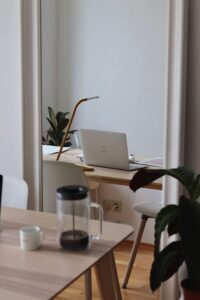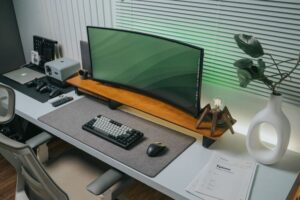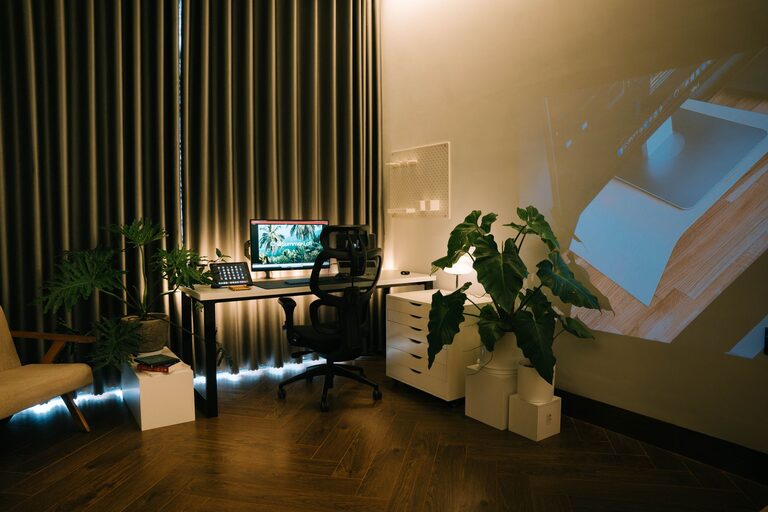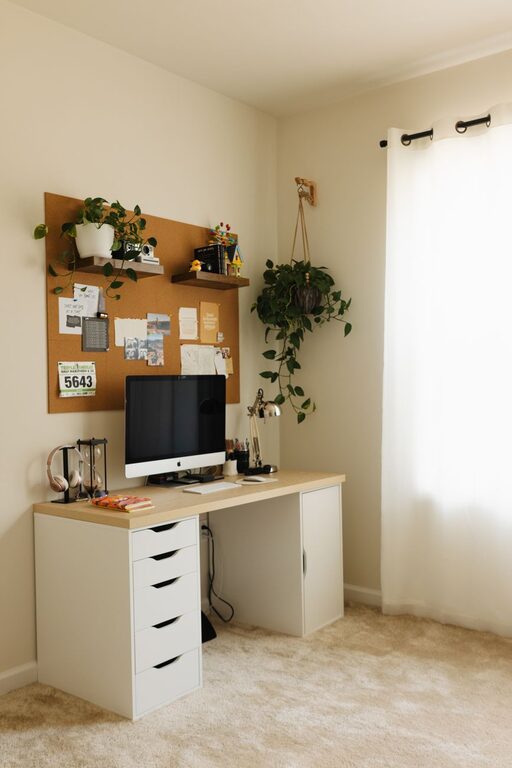









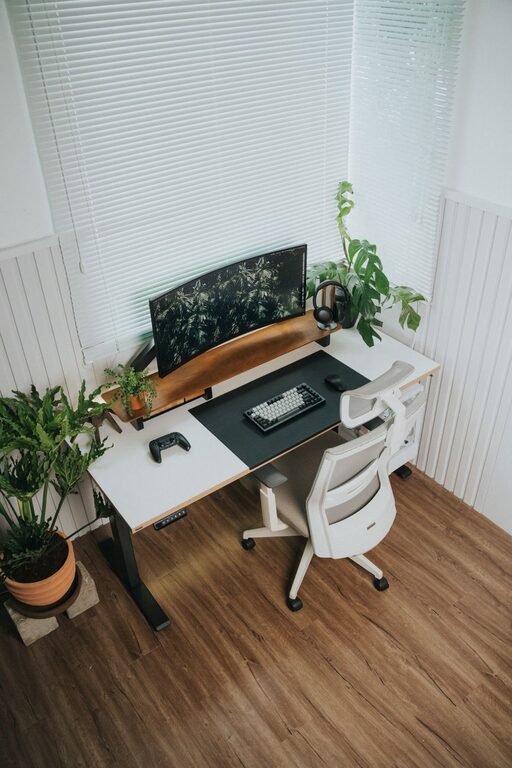
Creating a productive home office environment is essential for anyone working remotely or managing tasks from home. A well-organized, comfortable space can increase focus, reduce stress, and make your workday more enjoyable. Whether you have a dedicated room or a small corner in your living space, these tips can help you set up an effective workspace tailored to your needs.
Why a Productive Home Office Matters
Working from home comes with many benefits, such as flexibility and saving commute time. However, it can also bring distractions and challenges that reduce efficiency. Setting up a purposeful workspace helps create boundaries between work and personal life, encourages good habits, and promotes mental well-being.
Choosing the Right Location
Pick a Quiet Spot
Select a place with minimal noise and distractions. A room with a door is ideal, but if that’s not possible, consider noise-canceling headphones or white noise machines to stay focused.
Consider Natural Light
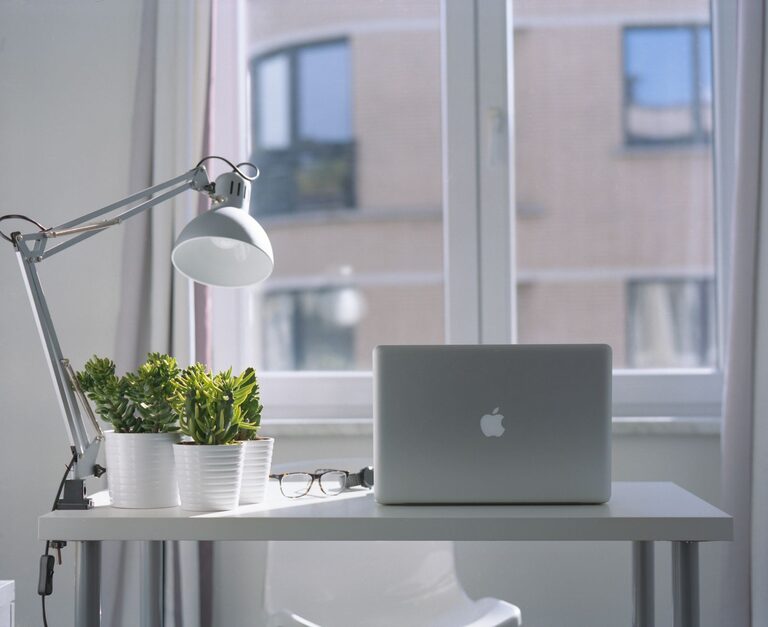
Natural light improves mood and reduces eye strain. Position your desk near a window if you can. If natural light is limited, invest in good quality lighting that mimics daylight to keep you alert.
Ensure Comfortable Temperature and Ventilation
Make sure the area is well-ventilated and at a comfortable temperature. Poor air quality and extremes in temperature can make it difficult to concentrate.
Ergonomic Furniture and Equipment
Invest in a Supportive Chair
A comfortable, adjustable chair supports good posture and reduces fatigue. Look for options with lumbar support and adjustable height.
Choose the Right Desk
Your desk should provide enough surface area for your computer, accessories, and work materials. Standing desks or adjustable desks are great options if you want to alternate between sitting and standing.
Position Your Monitor Correctly
The top of your screen should be at or slightly below eye level, about an arm’s length away. This positioning helps prevent neck and eye strain.
Use External Keyboards and Mice
If you use a laptop as your main device, consider adding an external keyboard and mouse for better ergonomics.
Organizing Your Workspace
Declutter Regularly
Keep only essential items on your desk to maintain focus. Use drawers, shelves, or organizers to store supplies neatly out of sight.
Use Cable Management Solutions
Tidy cables reduce visual distractions and prevent accidents. Cable clips, sleeves, or boxes can help keep cords in order.
Incorporate Personal Touches
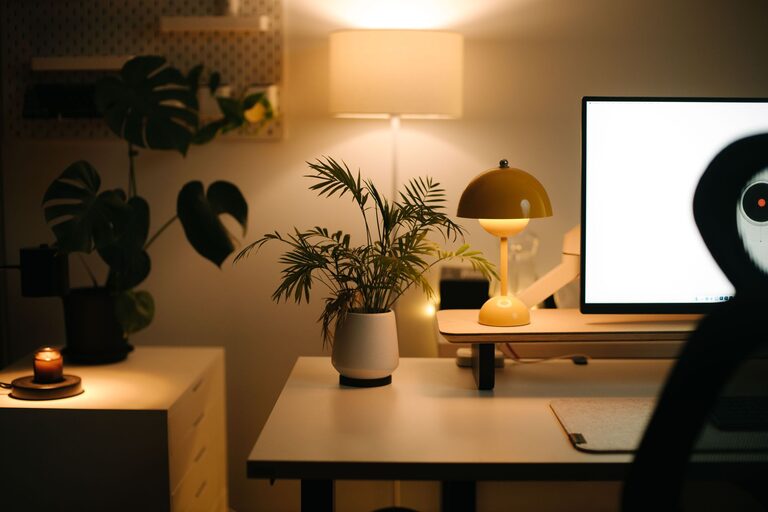
Adding a few personal items like plants, photos, or artwork can make the space feel inviting without creating clutter.
Establishing Work Habits and Boundaries
Set a Schedule
Stick to regular working hours to create routine and avoid overworking. This helps separate work time from personal time.
Take Regular Breaks
Short breaks every hour improve focus and reduce fatigue. Use techniques like the Pomodoro method to structure work and rest periods.
Minimize Distractions
Turn off unnecessary notifications and consider apps that block distracting websites during work hours.
Communicate Boundaries
If you share your living space, clearly communicate your work schedule to family or roommates to minimize interruptions.
Enhancing Productivity with Technology
Use Task Management Tools
Apps like Trello, Asana, or Todoist help keep track of tasks and deadlines.
Set Up Reliable Internet and Backup Power
Ensure your internet connection is stable and consider backup options like a portable charger or UPS to avoid interruptions.
Utilize Headphones or Speakers
Good audio equipment improves communication during video calls and helps you focus with background music or white noise.
Boosting Comfort and Wellness
Add Plants or Natural Elements
Plants improve air quality and provide a calming effect, which can enhance productivity.
Maintain Good Air Quality
Use air purifiers or open windows regularly to keep the air fresh.
Stay Hydrated and Snack Wisely
Keep water and healthy snacks nearby to maintain energy levels.
Final Thoughts
Designing a productive home office involves balancing comfort, organization, and functionality. By choosing the right location, investing in ergonomic furniture, organizing effectively, establishing clear work habits, and utilizing helpful technology, you can create an environment that supports your best work every day. Remember, simplicity and consistency are key to sustaining productivity at home.