







Indoor plants bring life and freshness to any home, but their needs can change with the seasons. Understanding how to adjust your care routine throughout the year helps your plants thrive regardless of the weather outside. Here are some helpful tips for maintaining your indoor plants across different seasons.
Spring: Time for Growth and Renewal
Spring is a season of growth and renewal, making it an excellent time to refresh your indoor plant care routine.
Increase Watering Gradually
As temperatures rise and sunlight increases, many plants will absorb more water. Check the soil moisture regularly and gradually increase watering frequency—avoid letting the soil dry out completely, but be mindful not to overwater.
Boost Fertilization
Spring is ideal for starting a fertilization schedule. Use a balanced, water-soluble fertilizer every 4–6 weeks to support healthy new growth. Follow the package instructions to avoid overfeeding.
Repot if Needed
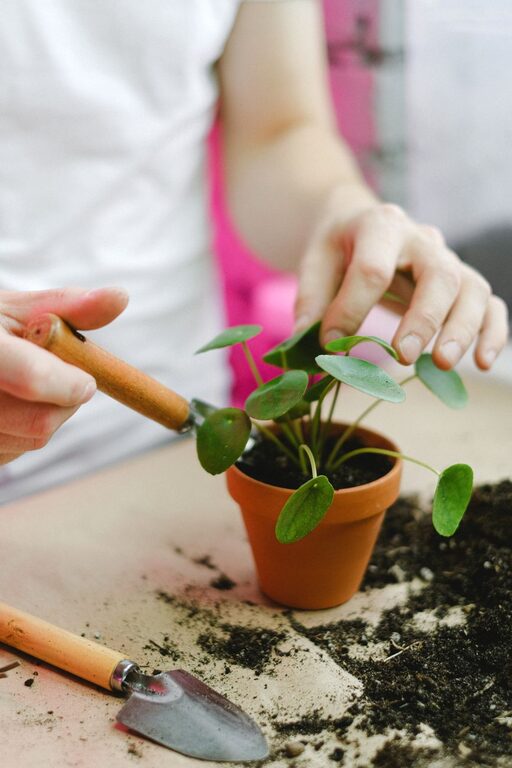
If your plants have outgrown their pots or the soil feels compacted, spring is a great time to repot. Choose a slightly larger container and use fresh potting mix to give roots room to expand.
Increase Sunlight Exposure
With longer daylight hours, move plants closer to windows or rotate them to maximize even light exposure. Be careful with delicate leaves and gradually acclimate plants to brighter environments to avoid leaf burn.
Summer: Managing Heat and Bright Light
Summer’s warmth and intense sunlight call for adjustments to keep plants comfortable and vibrant.
Adjust Watering to Prevent Drying
Higher temperatures can dry out soil quickly, so increase watering as needed. Check soil moisture more frequently and water when the top inch of soil feels dry. Use lukewarm water to avoid shocking roots.
Provide Indirect, Filtered Sunlight
Bright summer sun can be too intense for many indoor plants. Use sheer curtains or place plants in areas where they receive bright but indirect light to prevent leaf scorch.
Increase Humidity
Indoor air can become dry with air conditioning. Boost humidity by grouping plants together, misting leaves occasionally, or using a humidifier. This benefits tropical plants especially.
Keep an Eye Out for Pests
Warm weather may encourage pests like spider mites and aphids. Inspect plants regularly and wipe leaves with a damp cloth or use natural pest control methods if needed.
Fall: Prepare for Slower Growth
As daylight hours shorten and temperatures cool, plants enter a more restful phase.
Reduce Watering
Many plants need less water during fall because growth slows and evaporation decreases. Water less frequently but ensure soil does not dry out completely.
Cut Back Fertilization
Stop or reduce fertilization during fall and winter. Plants use less nutrients when they aren’t actively growing, so feeding can lead to salt buildup in soil.
Clean Up Dead Leaves
Remove yellowing or fallen leaves to prevent mold and keep plants healthy. This is also a good time to inspect the plant for any signs of disease.
Adjust Light Exposure
Move plants away from windows or bright sun if you notice leaf burn or stress. Alternatively, keep them closer to light sources if natural daylight is limited.
Winter: Supporting Dormant Plants
Winter is the quiet season for many indoor plants. They need gentle care to survive low light and dry indoor air.
Water Sparingly
Because plants grow slowly or go dormant, they require less water. Test soil moisture before watering and use minimal amounts to keep roots from drying without causing soggy soil.
Maintain Warm Temperatures
Keep plants away from cold drafts, heaters, and radiators, which can create extremes in temperature. Aim for a consistent environment of 60–75°F (15–24°C).
Increase Humidity
Indoor heating often reduces humidity drastically. Use a humidity tray or humidifier to prevent leaf edges from browning and maintain overall plant health.
Provide Adequate Light
If natural light is limited, consider supplementing with a grow light for a few hours each day. This helps plants maintain energy until spring arrives.
General Tips for Year-Round Indoor Plant Care
– Monitor Soil Moisture: Use your finger or a moisture meter to guide watering rather than sticking to a strict schedule.
– Clean Leaves: Dust buildup reduces photosynthesis. Gently wipe leaves with a damp cloth every few weeks.
– Rotate Plants: Regular rotation encourages even growth and prevents plants from leaning toward the light.
– Observe Your Plants: Pay attention to signs of stress like yellow leaves, drooping, or discoloration. These clues help you adjust care promptly.
Maintaining indoor plants requires a little attention and adaptation as the seasons change. By understanding your plant’s needs through the year, you can enjoy healthy greenery that brightens your home no matter the weather outside. Happy gardening!